HDSI Annual Conference 2022: A Front-Row Seat to the Future of Data Science
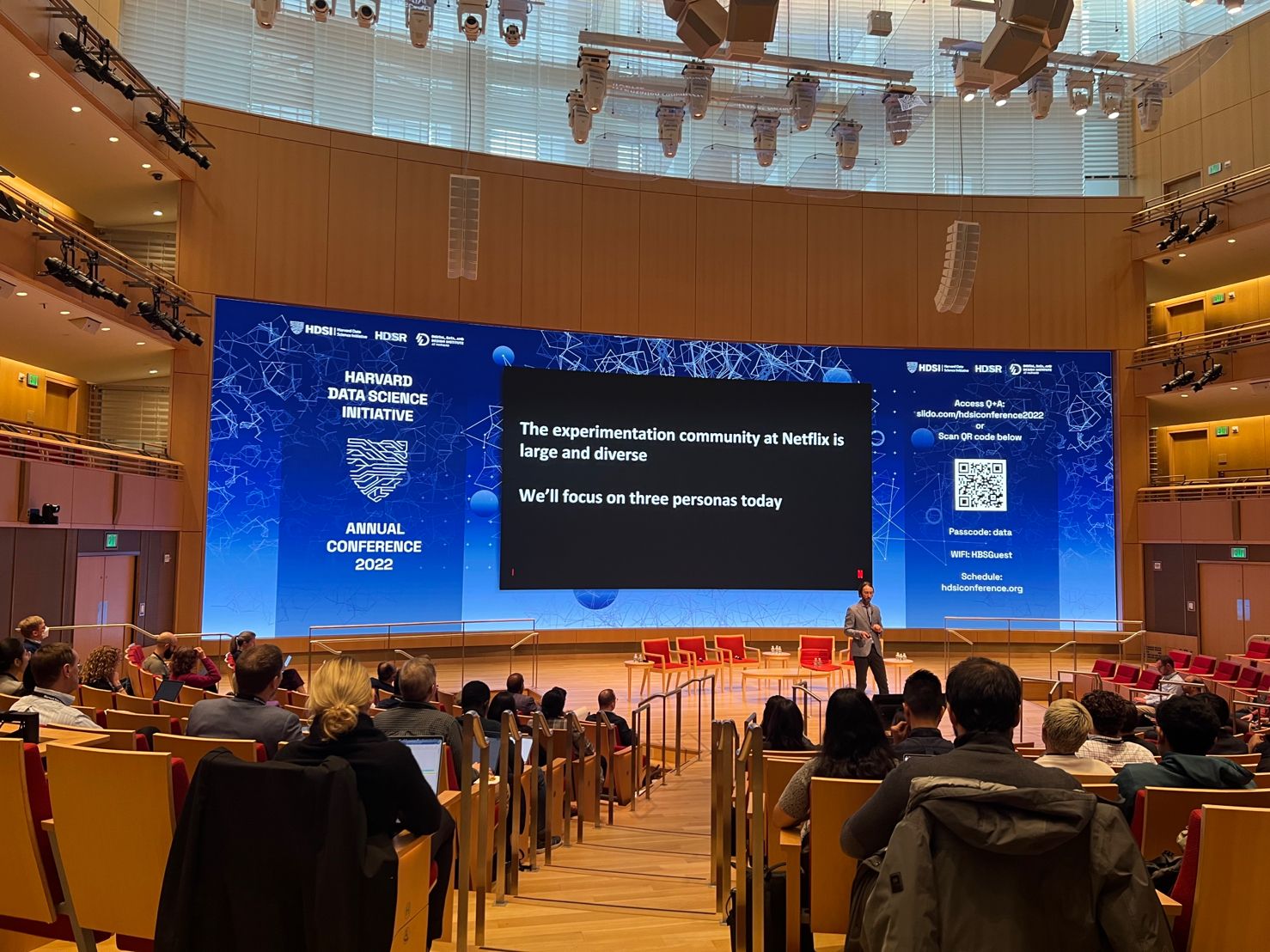
There’s something uniquely energizing about being in a room filled with some of the brightest minds in data science. This past November, I had the opportunity to attend the Harvard Data Science Initiative (HDSI) Annual Conference 2022, and let me tell you—it did not disappoint.
After a three-year hiatus, this was the first in-person HDSI Annual Conference since 2019, bringing together academics, industry leaders, and researchers to explore the latest innovations in data science, AI, and interdisciplinary research. Over these past two days, I found myself diving into discussions that ranged from causal inference and algorithmic fairness to climate science and agent-based modeling, each more thought-provoking than the last.
If there’s one thing that stood out, it’s this: data science is no longer just about numbers—it’s about impact. Whether it’s shaping public policy, revolutionizing medicine, or ensuring AI is fair and ethical, the role of data science in shaping our world is more critical than ever.
Here are some of my biggest takeaways from this inspiring experience.
Day 1: Unraveling Causality & AI’s Ethical Dilemma
The conference kicked off with a deep dive into causal inference, led by Professor José R. Zubizarreta. Now, if you’re in data science, you know that correlation does not imply causation—but how do we actually prove causality?
This tutorial broke down the potential outcomes framework and the power of randomization, showing how well-designed studies can help us separate signal from noise. The most eye-opening takeaway? Causal inference is the backbone of evidence-based decision-making, whether in medicine, economics, or even business strategy.
Following this, I attended what was easily one of the most critical discussions of the conference—Fairness & Explainability in AI.
Led by Professors Marinka Zitnik and Hima Lakkaraju, this workshop brought together some of the top minds in AI ethics, including:
Tina Eliassi-Rad (Northeastern University)
Flavio Calmon (Harvard SEAS)
Sharad Goel (Harvard Kennedy School)
Adam Tauman Kalai (Microsoft Research)
Irene Chen (Microsoft Research)
The big question? Can we truly make AI fair and transparent?
Spoiler: It’s complicated.
One of the biggest challenges in AI today is ensuring that machine learning models don’t reinforce biases that already exist in society. The reality is, AI reflects the data we feed it, and without active intervention, biases can (and will) persist. The discussion touched on algorithmic accountability, auditing AI models, and policy implications—a stark reminder that AI fairness isn’t just a technical issue, but a deeply human one.
Day 2: Where Data Science Meets the Real World
If Day 1 was about the foundations, Day 2 was about application—how data science is being used to reshape industries, tackle global challenges, and drive innovation.
One of the first panels, Communicating Data Science – Trust with Complexity, emphasized the power of storytelling in data science. With insights from experts like Xiao-Li Meng (Harvard Data Science Review) and Natalie Dean (Emory University), the key takeaway was clear:
If people don’t understand the data, it won’t change anything.
This was followed by a fantastic keynote from Maria De-Arteaga (University of Texas at Austin) on Responsible Human-AI Collaboration—a much-needed discussion on how to ensure AI systems enhance human decision-making rather than replace it.
Then came a session that felt straight out of a Netflix documentary—because, well, it was about Netflix.
How Netflix Uses Data Science to Keep You Hooked
Martin Tingley, who leads the Experimentation Platform Analysis Team at Netflix, gave us a behind-the-scenes look at how the company uses A/B testing, user data, and machine learning to personalize content recommendations.
Some fun takeaways:
Your Netflix experience is constantly being A/B tested.
Tiny tweaks to UI/UX can lead to massive engagement shifts.
Understanding human psychology is just as important as understanding the data.
As someone deeply fascinated by behavioral data science, this was hands down one of my favorite talks.
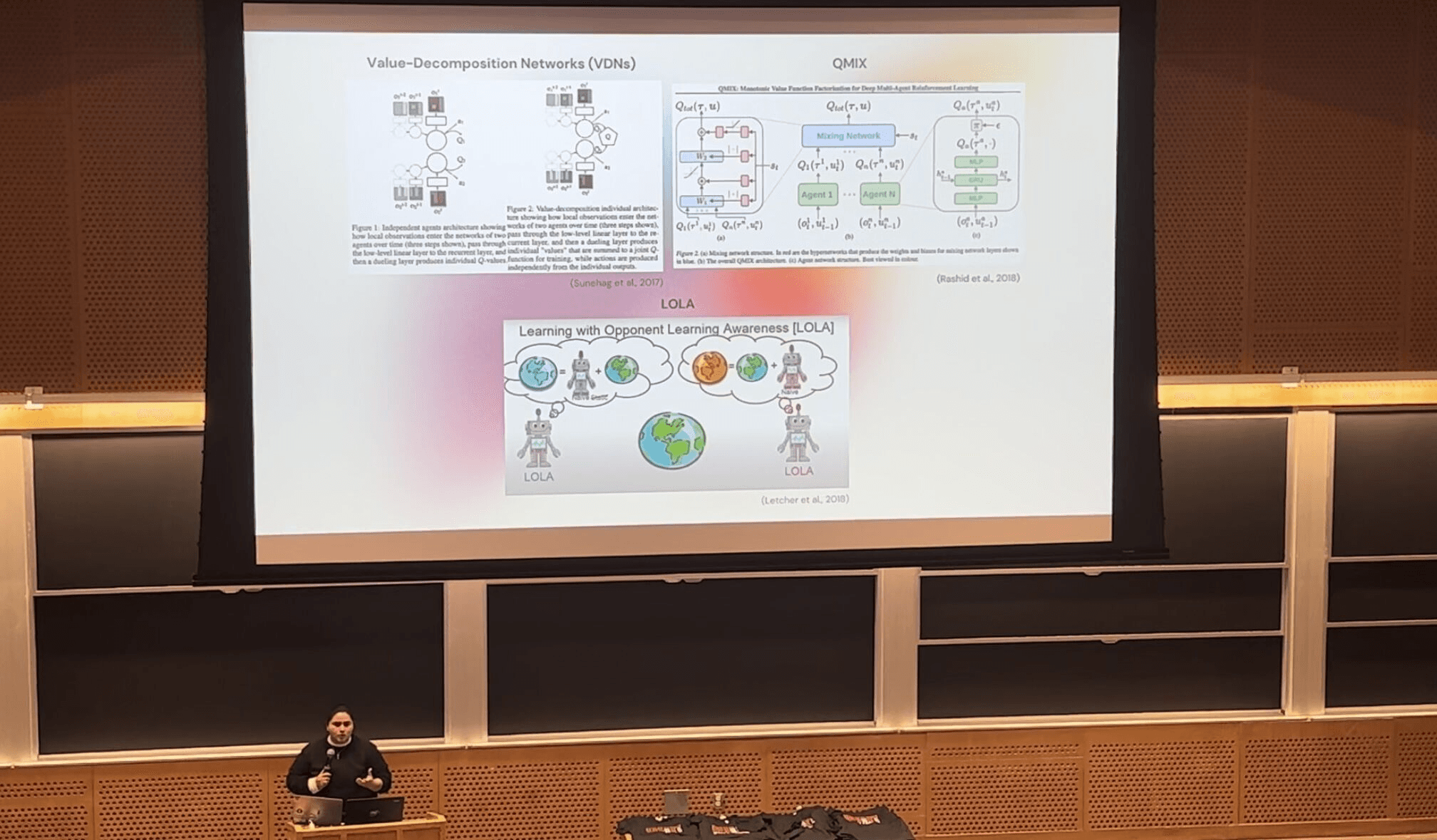
Agent-Based Modeling & Climate Science – When Data Gets Complex
Later in the day, I attended a mind-bending panel on Agent-Based Modeling, featuring experts like David C. Parkes (Harvard DSI) and Stephan Zheng (Salesforce Research).
The TL;DR? Complex systems (like economies or pandemics) can’t always be captured with traditional models. Instead, agent-based models simulate individual agents (people, businesses, animals, etc.) and their interactions, leading to emergent behaviors that we couldn’t predict otherwise.
It’s like watching an ecosystem unfold inside a virtual lab, which has huge implications for everything from public health to financial markets.
The final session I attended was Data Science & Climate – Connecting Planetary & Human Health, where experts like Francesca Dominici (Harvard DSI) and Peter Huybers (Harvard FAS) discussed how data-driven insights are shaping climate resilience strategies.
AI models can now predict the impact of extreme weather events on human health.
Satellite data + machine learning = better monitoring of climate change.
Data science is becoming an essential tool in environmental policy-making.
It was an important reminder that climate science isn’t just about saving the planet—it’s about saving lives.
Final Thoughts: More Than Just an Event
Looking back, the HDSI Annual Conference 2022 wasn’t just a showcase of cutting-edge research—it was a powerful reminder that data science is shaping the world in ways we don’t even realize yet.
Some of my biggest takeaways:
Data science is deeply interdisciplinary. AI, medicine, policy, and business all intersect in fascinating ways.
AI fairness is not optional. We need to actively work towards making AI models transparent and accountable.
Complex problems require creative solutions. From agent-based models to climate research, data science is unlocking new ways to tackle global challenges.
More than anything, this conference reinforced why I love this field—it’s where innovation meets impact.
Looking forward to next year’s conference.