Reflections on Attending MIT’s 6.S191: Intro to Deep Learning
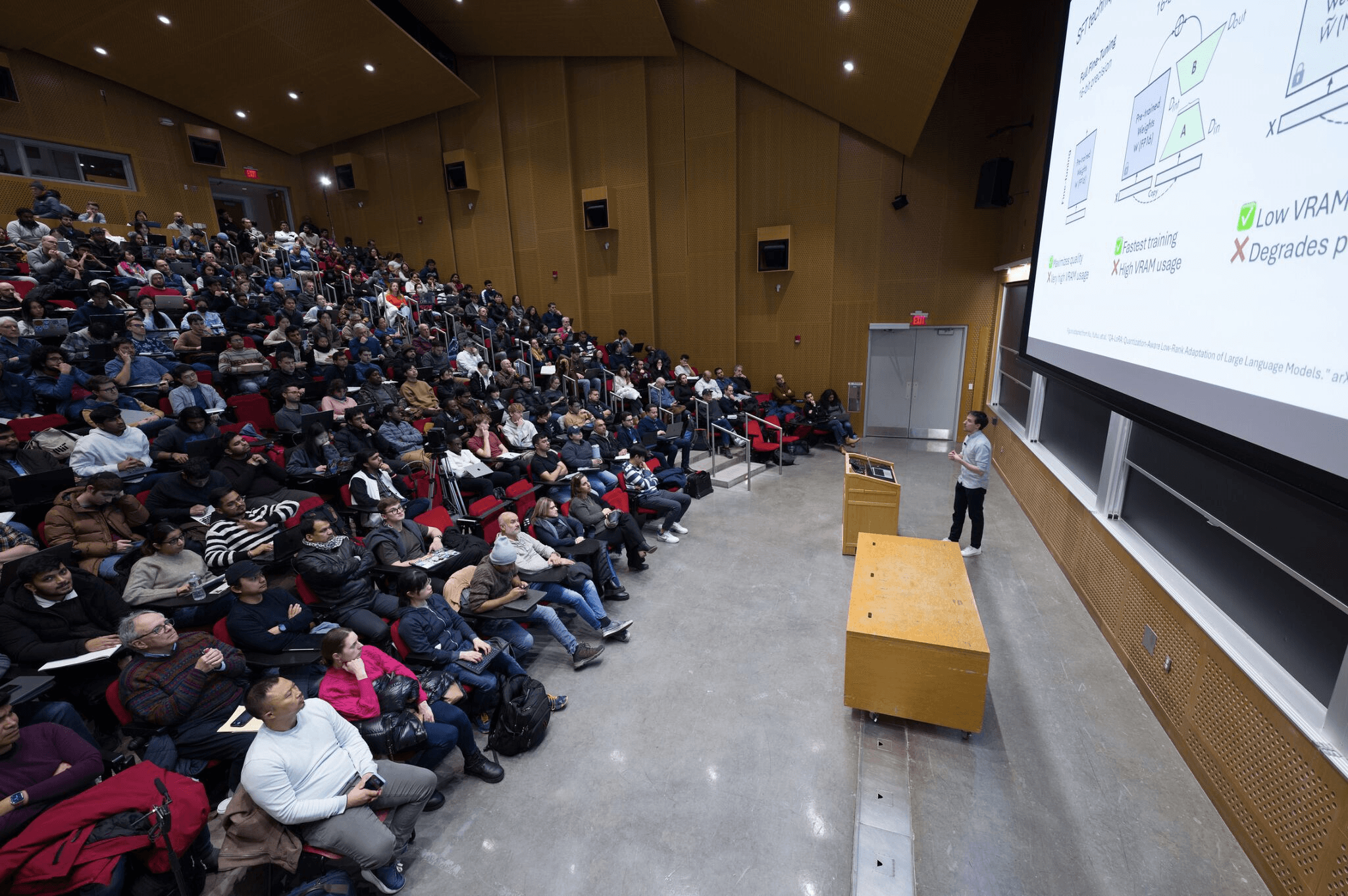
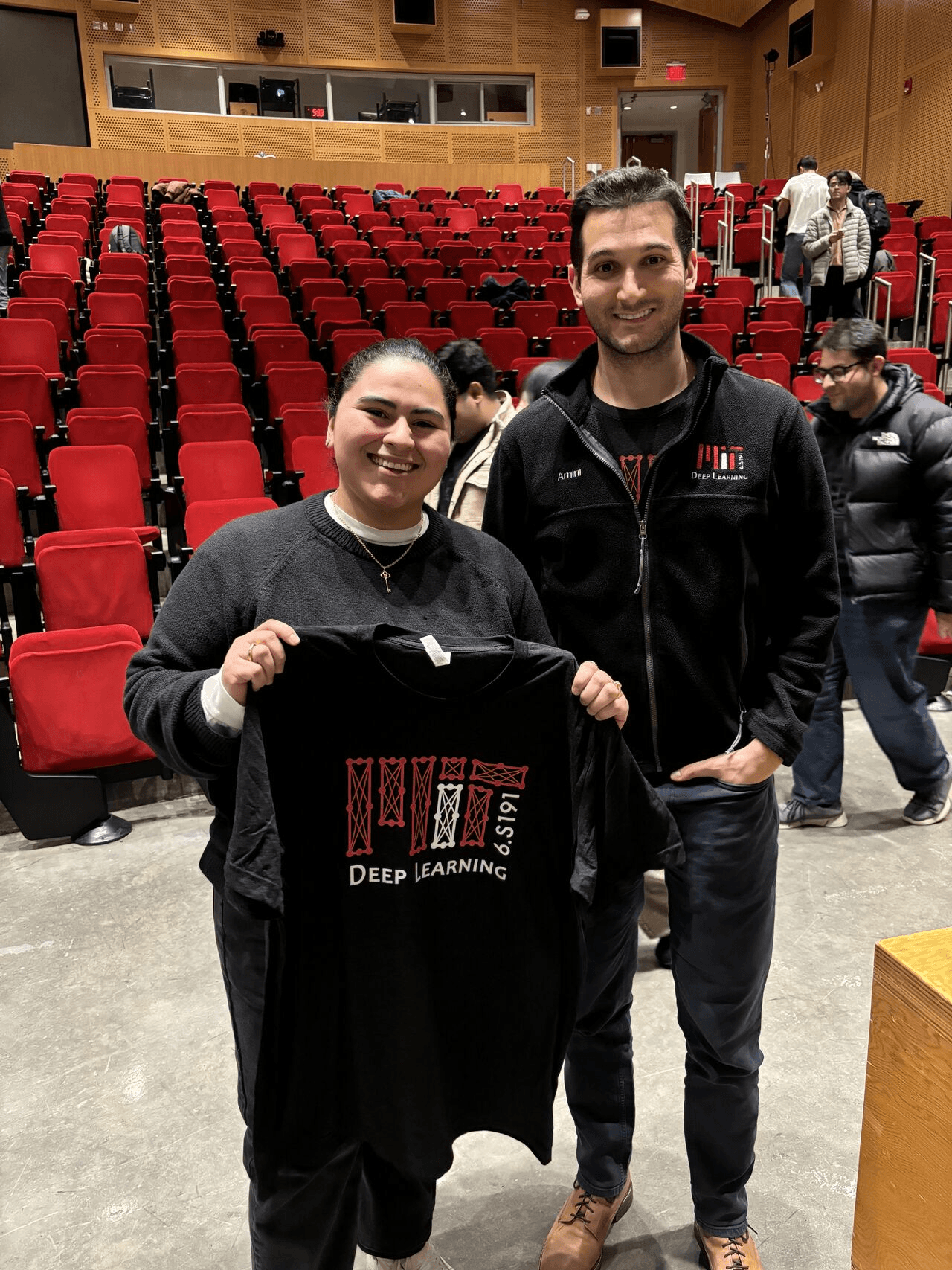
This past week, I had the incredible opportunity to attend MIT’s 6.S191: Introduction to Deep Learning, an intensive and highly regarded course led by Alexander Amini and Ava Amini, with invaluable support from John Werner, whose vision and energy helped cultivate a strong, engaged community of learners.
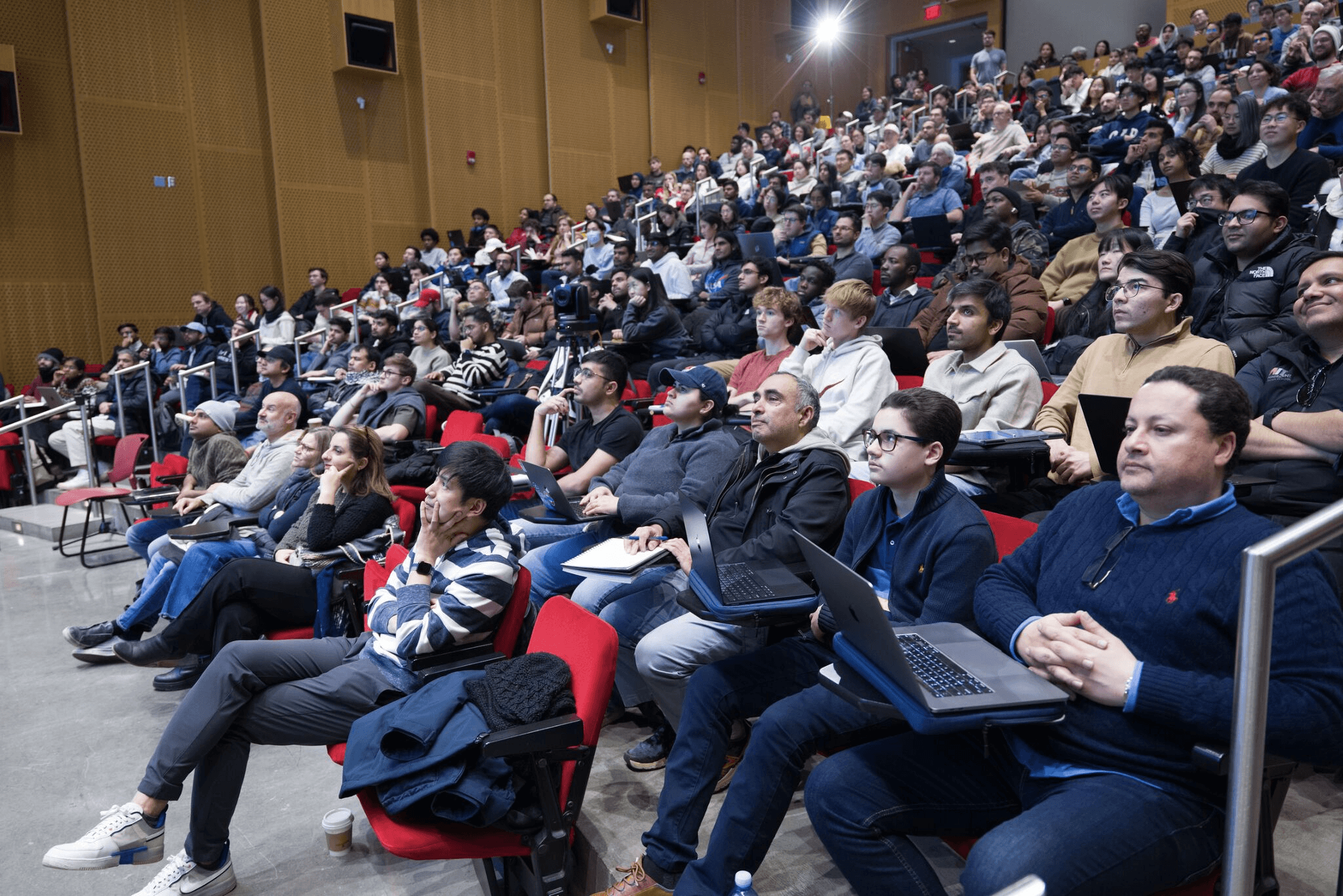
The course, known for bringing together students, researchers, and professionals passionate about artificial intelligence, provided an immersive deep learning experience—one that challenged me intellectually, expanded my technical toolkit, and connected me with an inspiring network of peers and experts.
A Week of Learning, Exploration, and Inspiration
From stimulating lectures to hands-on labs, every aspect of the course was designed to push boundaries and encourage critical thinking. Throughout the week, we explored foundational and cutting-edge topics in deep learning, with engaging insights from distinguished guest speakers such as Peter Grabowski, Maxime Labonne, and Douglas Blank, each bringing unique perspectives to the field.
The course emphasized both theoretical foundations and practical applications, covering essential topics such as:
Neural network architectures and optimization strategies
Sequence modeling and transformers
Generative modeling and reinforcement learning
Computer vision and large language models
Beyond the structured curriculum, the collaborative environment was one of the most rewarding aspects of the experience. Engaging in discussions, sharing ideas, and learning from fellow participants with diverse backgrounds and interests created an atmosphere of innovation and intellectual curiosity.
My Project: Reinforcement Learning for Cooperation in Social Dilemmas
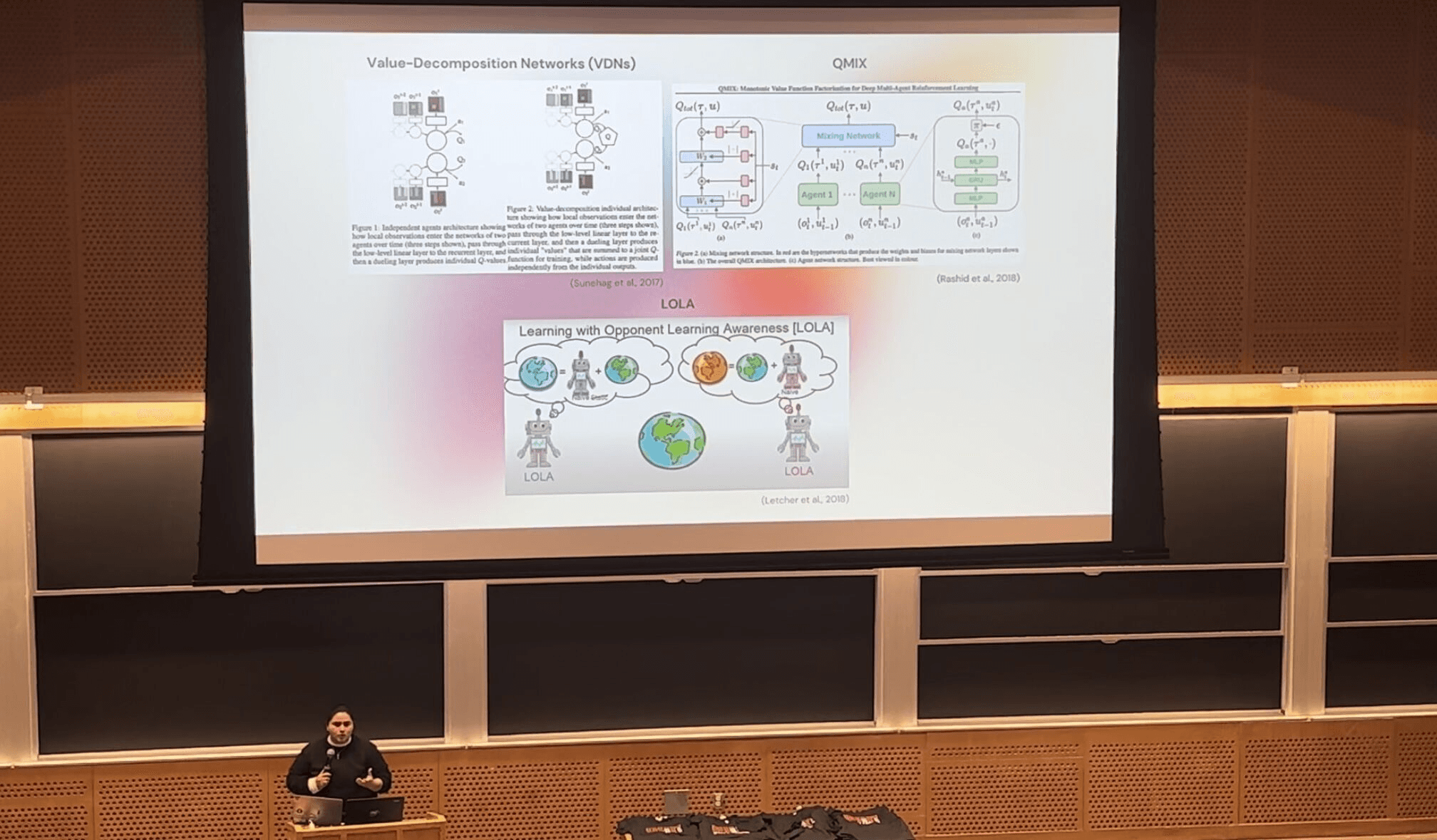
One of the highlights of the week was presenting my project proposal: "Enhancing Cooperation in Social Dilemmas (General Sum Settings) via Multi-Agent Reinforcement Learning."
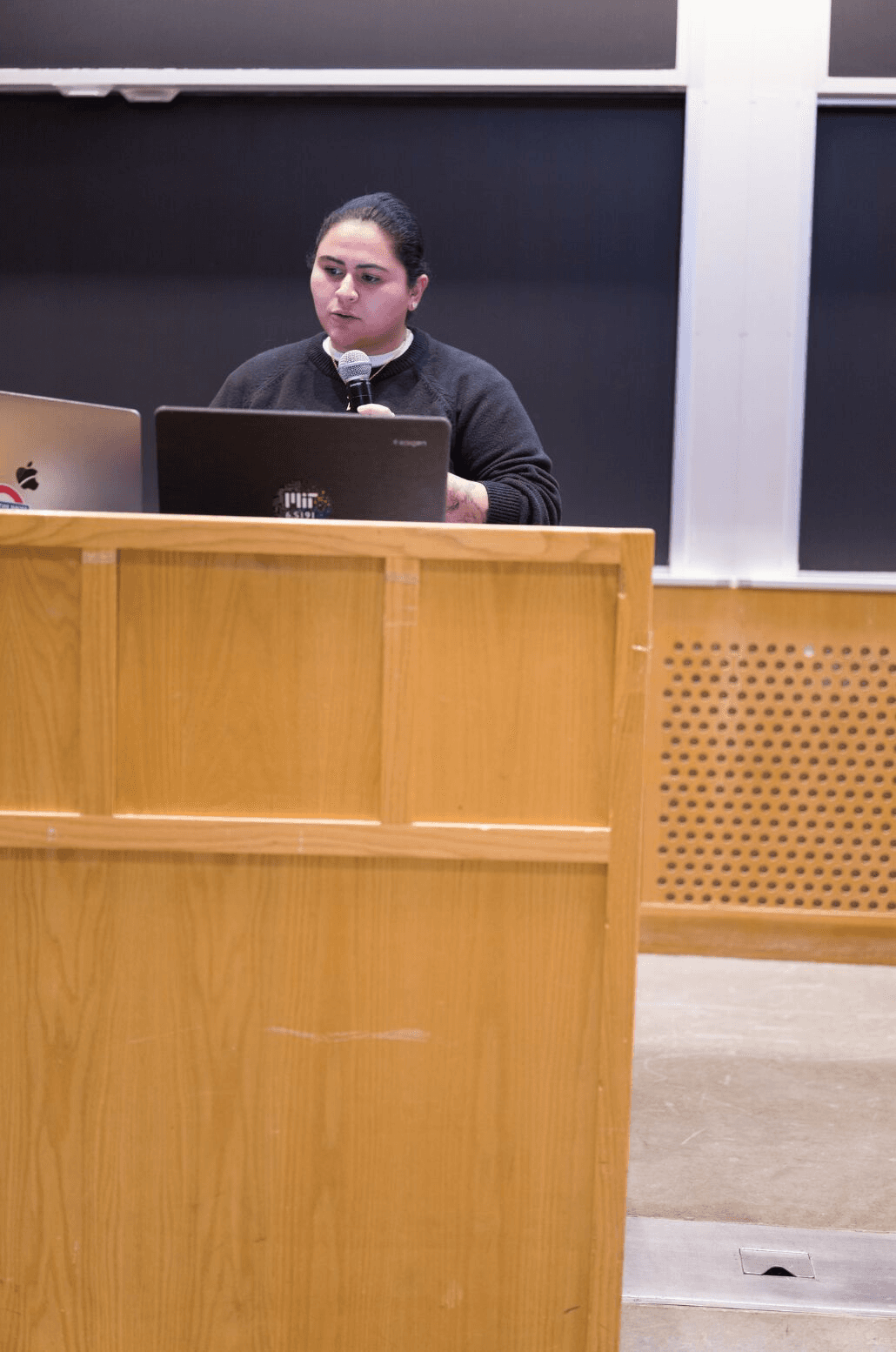
This project explores how multi-agent reinforcement learning (MARL) can be leveraged to improve cooperative behaviors in environments where individual incentives do not always align with collective well-being—a problem commonly encountered in economics, policy design, and game theory. The intersection of AI and strategic decision-making has always fascinated me, and having the opportunity to discuss my ideas in a room full of like-minded researchers and practitioners was truly invigorating.
The feedback, discussions, and potential directions that emerged from the presentation reinforced my enthusiasm for AI-driven problem-solving. Tackling challenges like these is what excites me about the field—the ability to push theoretical boundaries while solving real-world problems.
Reflections and Key Takeaways
Attending MIT 6.S191 was an experience that stretched me academically, technically, and personally. It wasn’t just about learning deep learning techniques—it was about developing the mindset to critically approach complex problems, engage with the broader AI community, and think beyond the immediate applications of technology.
Some of my biggest takeaways from the course:
AI is evolving rapidly, and staying engaged with the research community is essential. The field is moving at an unprecedented pace, and programs like 6.S191 provide an opportunity to stay at the forefront of new developments.
Collaboration and discussion accelerate learning. Some of my most valuable insights came from informal discussions with fellow participants—diverse perspectives challenge assumptions and lead to novel ideas.
Real-world AI applications require more than technical knowledge. The ethical, societal, and economic implications of AI are just as important as the algorithms themselves. Addressing challenges such as fairness, explainability, and responsible AI development must be an ongoing priority.
What’s Next?
As I take these learnings into my next endeavors, I look forward to applying deep learning techniques to real-world challenges, further exploring multi-agent systems, and contributing to the ongoing dialogue on AI’s role in shaping the future.
I am incredibly grateful to the MIT 6.S191 team, the outstanding guest lecturers, and my fellow participants for making this an unforgettable experience. It’s inspiring to be part of a community that is so dedicated to advancing AI and deep learning.
For those interested in diving into deep learning, the 6.S191 team has made lectures, slides, and labs available online, allowing learners worldwide to engage with the material. I highly recommend checking them out—this is a course that truly embodies the spirit of open learning and collaboration in AI.
If you're passionate about AI, I’d love to connect and continue the conversation.