Future Compute 2023: A Deep Dive Into the Next Wave of Computing

This past week, I had the incredible opportunity to attend Future Compute 2023, hosted by MIT Technology Review, and to say it was a game-changer would be an understatement.
This event wasn’t just about the latest technological advancements—it was about the future of computing itself. From quantum labs at MIT to discussions on generative AI, chip wars, and cloud efficiency, the conference brought together some of the most influential minds in the industry, offering insights that will undoubtedly shape the future of enterprise computing, AI, and digital transformation.
Here are some of the most thought-provoking highlights that stood out.
Stepping Into the Future: Quantum Computing at MIT
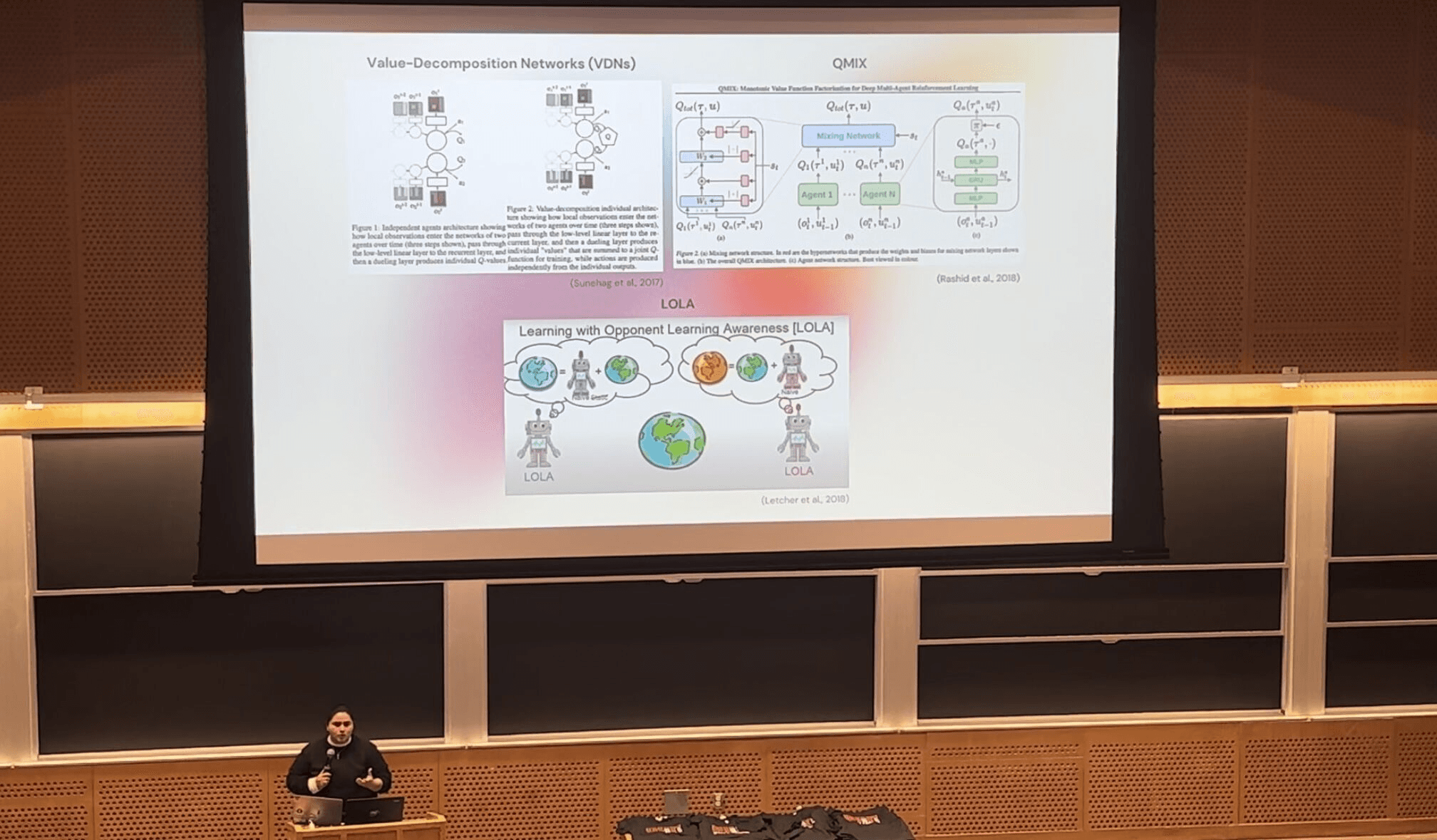
The event kicked off with a rare opportunity to tour MIT’s Engineering Quantum Systems (EQuS) labs, a place where some of the most cutting-edge research in quantum computing is happening in real-time.
Hearing directly from quantum pioneers like Tim Menke (Atlantic Quantum), Yudong Cao (Zapata Computing), and Jeff Grover (MIT EQuS Group), I got a firsthand look at the challenges and breakthroughs that are pushing quantum technology forward.
The biggest takeaway? Quantum computing is no longer a theoretical dream—it’s actively being developed, and its real-world applications in areas like cryptography, optimization, and AI are closer than we think.
The Power Struggle: Chips, AI, and Cloud Infrastructure
Computing power is evolving faster than ever, and hardware is the invisible engine that drives innovation.
The Next Frontier in Processors
Manuvir Das, Head of Enterprise Computing at NVIDIA, provided a compelling look into what’s next in processor technology—focusing on power, speed, and energy consumption.
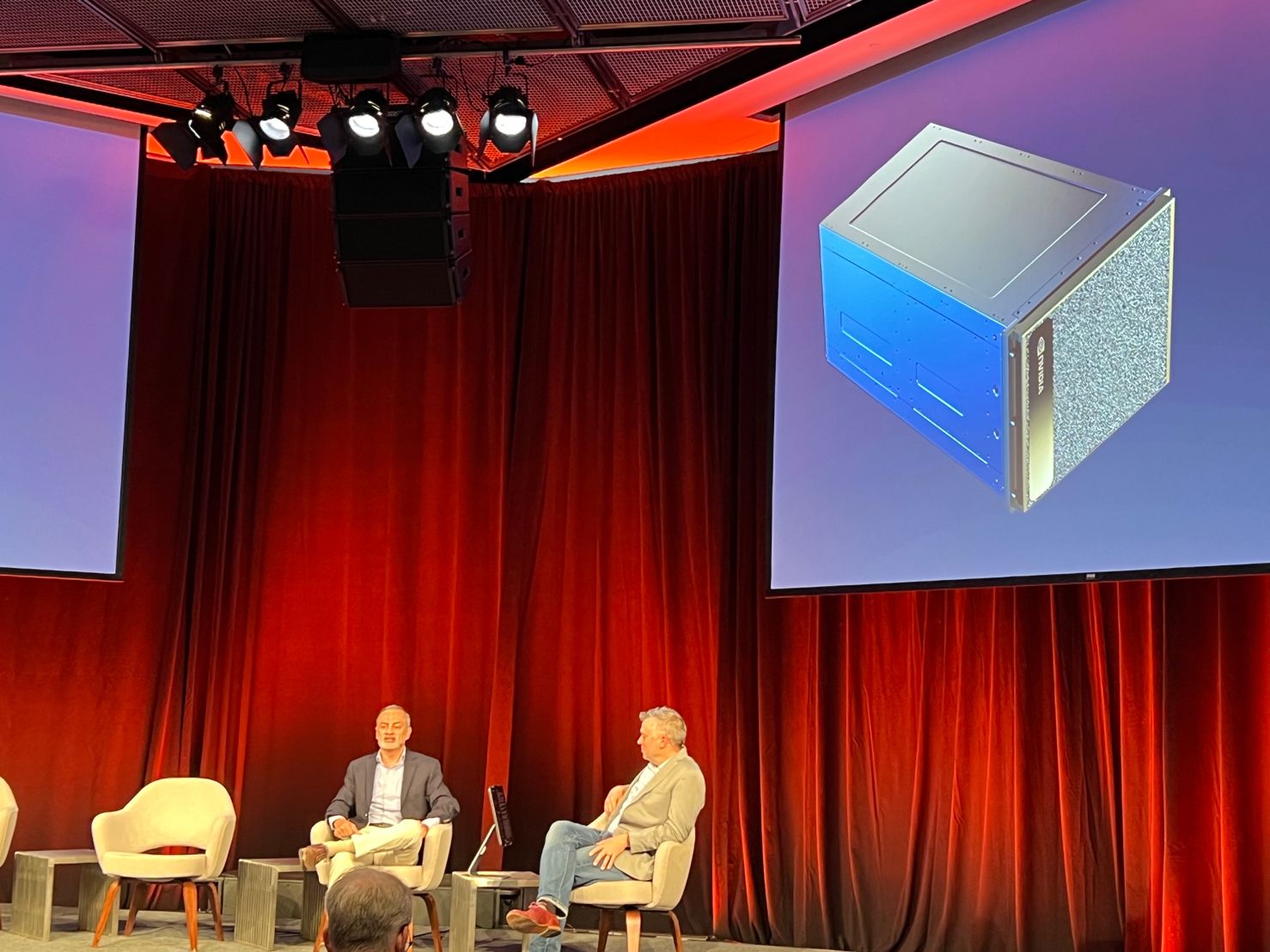
His talk reinforced a growing trend: Efficiency is the new currency in computing. As AI, cloud, and enterprise systems continue to scale, the ability to do more with less power and greater efficiency will define the next generation of computing hardware.
The Chip War – A High-Stakes Battle for Silicon
No discussion about computing power is complete without addressing the global battle over semiconductors. Chris Miller, author of Chip War, provided an eye-opening analysis of the ongoing U.S.-China competition for dominance in microchip technology.
The session made it clear that this battle is about much more than tech—it’s about economic power, national security, and the future of AI and automation.
Generative AI, LLMs, and the Road Ahead
Of course, no future-of-computing conference would be complete without a deep dive into Generative AI and large language models (LLMs).
Amazon’s Take on Generative AI
Hearing directly from Werner Vogels, CTO at Amazon, was a personal highlight. He laid out his vision for generative AI, focusing on where LLMs are headed and the key challenges that still need to be addressed.
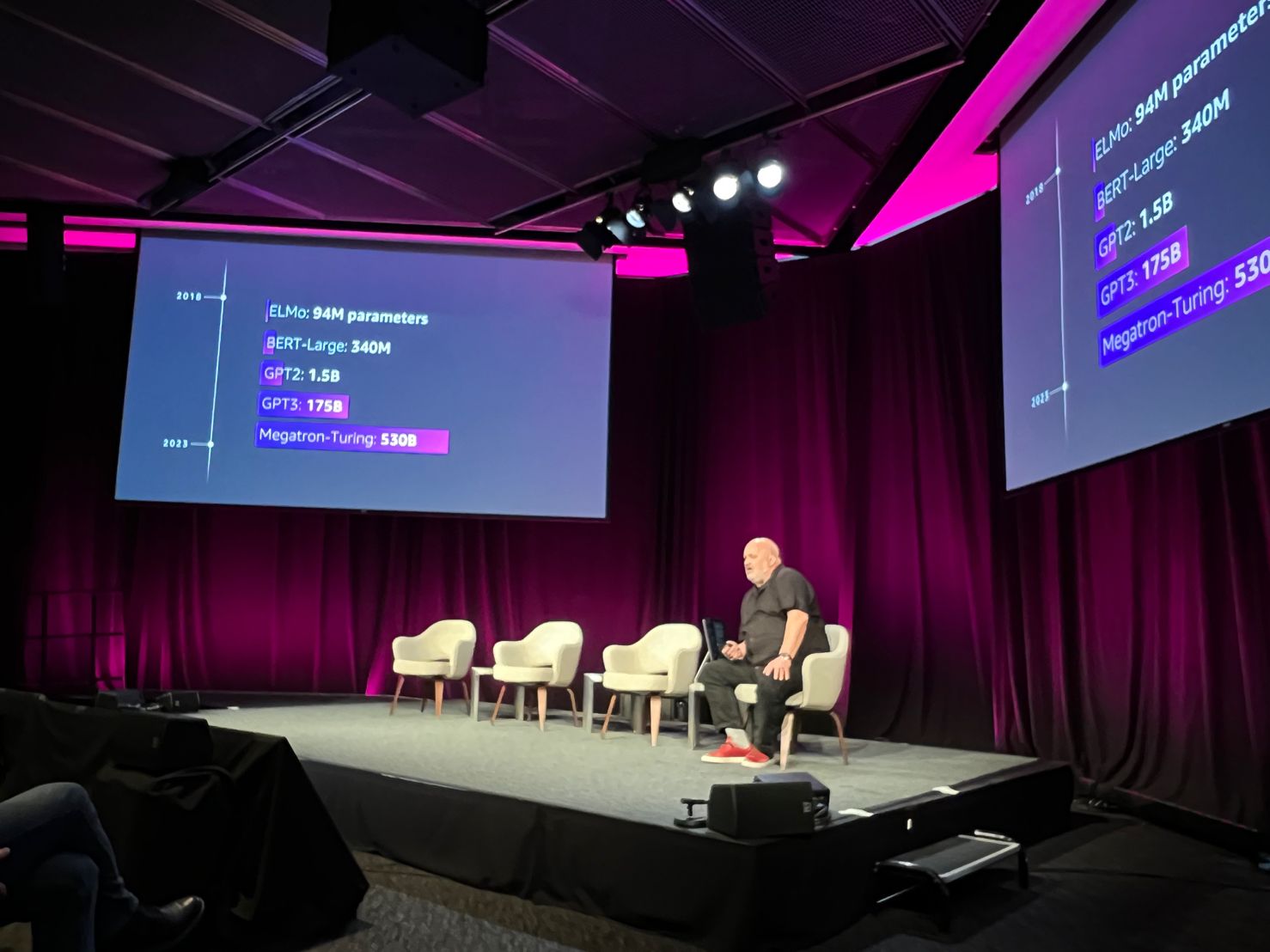
A few key insights:
Generative AI is still in its early days, and while it’s incredibly powerful, it’s not yet ready for every industry or use case.
Bias and fairness remain significant hurdles that must be addressed for AI to be responsible and ethical.
The real breakthroughs will come from AI models that can reason, not just generate text or images.
Optimizing the Cloud: Efficiency, Costs, and Scaling Smartly
As organizations move further into hybrid and multi-cloud environments, balancing performance, cost, and scalability has become more critical than ever.
How Airbnb Saved $63M in Cloud Costs
One of the most pragmatic and insightful talks came from Ari Siegel, Director of Finance & Strategy at Airbnb, who gave a step-by-step breakdown of how Airbnb reduced cloud costs by $63 million in just one year.
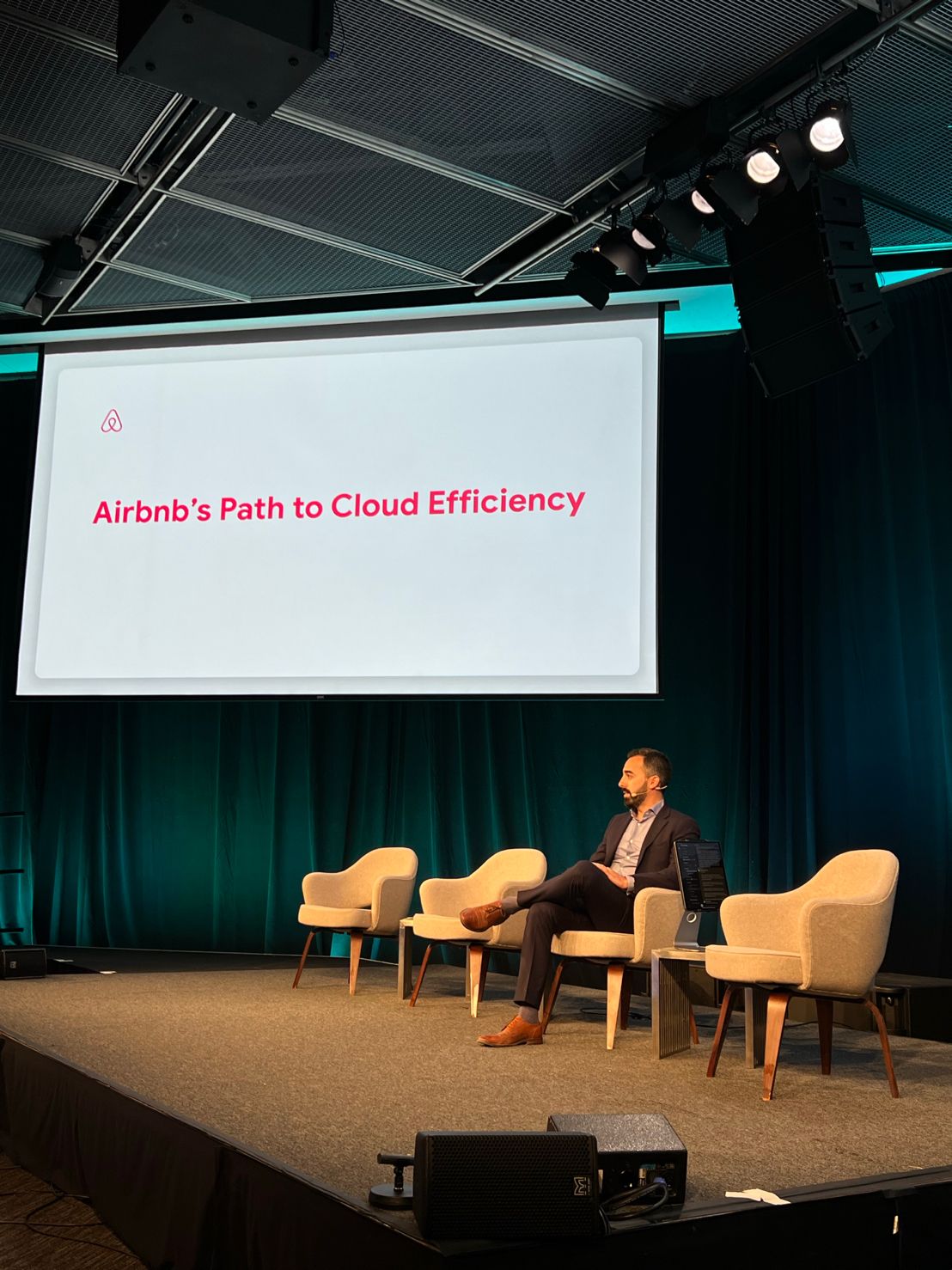
Some key takeaways:
Cloud efficiency isn’t just about technology—it’s about mindset. Having a "business intimacy" with the technology teams is essential to making smart cost-cutting decisions.
Tracking the right cloud metrics is key—wasteful spending often goes unnoticed until costs spiral out of control.
Shifting workloads strategically between providers can lead to massive cost reductions without sacrificing performance.
Balancing Innovation and Cost at JPMorgan Chase
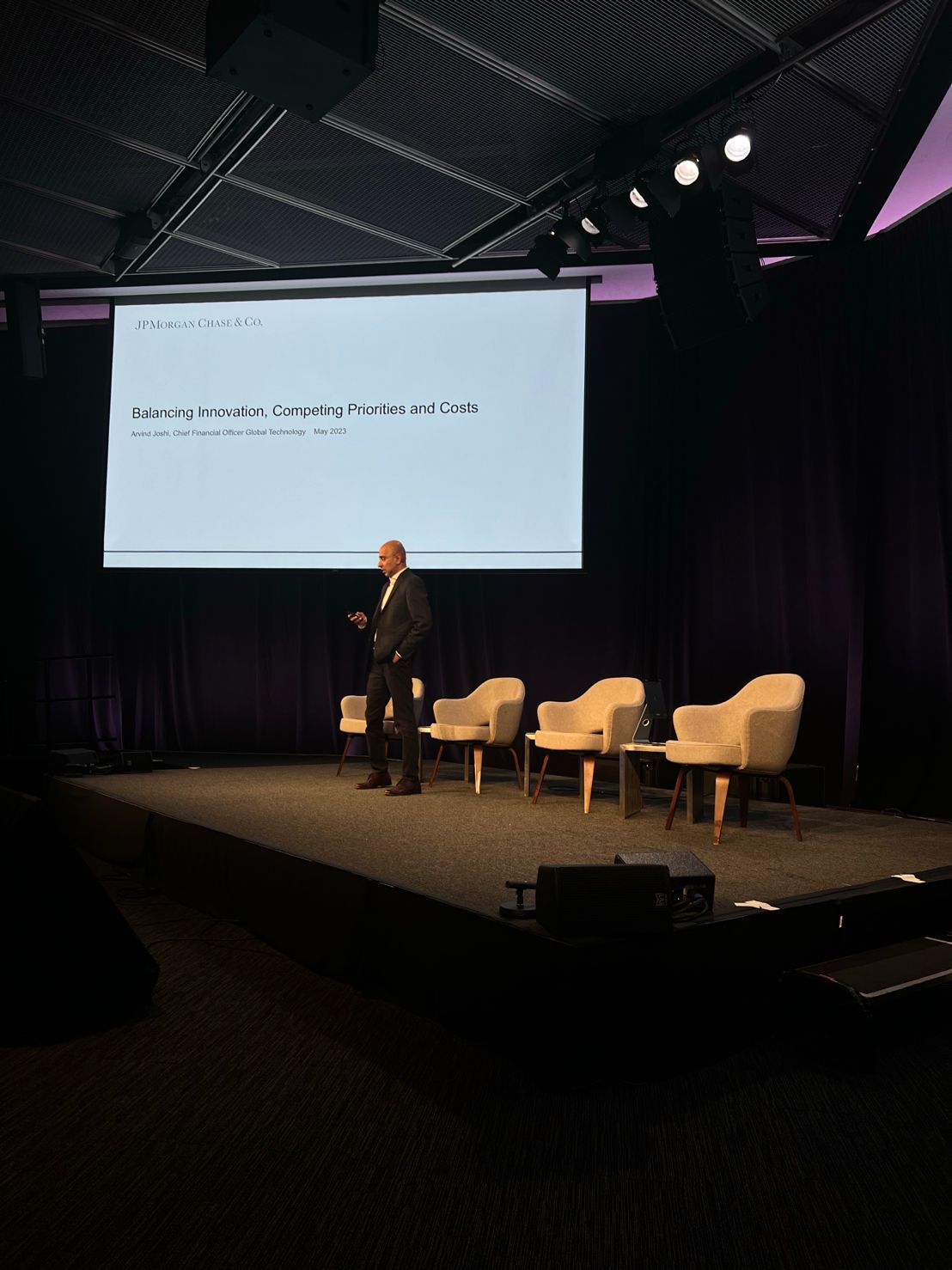
Hearing Arvind Joshi, Global Technology CFO at JPMorgan Chase, discuss the balancing act between innovation, competing priorities, and cost was another standout moment.
It was a rare look inside how a massive financial institution makes decisions about investing in emerging technologies while maintaining operational efficiency.
High-Performance Teams & The Future of Digital Culture
Building and Sustaining Elite Engineering Teams
A key session on software development came from Jeffrey Hammond, WW Head of ISV Product Management Transformation at Amazon, who shared some fantastic insights on what makes high-performance engineering teams successful.
Key lessons:
Elite teams thrive on adaptability, not rigid processes.
"Digital dexterity" is key—the ability to pivot quickly and integrate new technologies without disruption.
Culture is just as important as tech—teams that actively invest in learning and growth outperform those that don’t.
The Industrial Metaverse – Beyond the Hype
Danny Lange, SVP of AI & ML at Unity, delivered a thought-provoking session on the Industrial Metaverse, an area that is quietly making huge strides in AI-driven simulation and digital twins.
Unlike the consumer-facing metaverse (which has seen mixed success), the industrial metaverse is already being used to revolutionize sectors like manufacturing, logistics, and product design.
It was fascinating to hear his vision for how generative AI and machine learning will enhance virtual simulations, ultimately reducing costs and improving efficiency across industries.
Final Thoughts: A Conference That Delivered on Its Promise
Future Compute 2023 was more than just an industry event—it was a glimpse into the future of computing and how emerging technologies will redefine AI, enterprise infrastructure, cloud computing, and digital transformation.
Some of my biggest takeaways:
Quantum computing is advancing faster than expected—its real-world applications may arrive sooner than we think.
Efficiency is now the top priority in computing—whether it’s cloud costs, AI workloads, or processor speed, the focus is on doing more with less.
Generative AI is still in its infancy, but its evolution will reshape industries in profound ways.
The industrial metaverse is quietly gaining traction, proving that AI-driven simulations will be game-changers for businesses.
Attending this conference was an incredible opportunity to learn from some of the best minds in the industry, and I’m excited to take these insights forward.
Looking ahead, I’m even more excited for the upcoming EmTech Digital Conference, where I’ll continue exploring the latest in AI, ML, and emerging technologies.
The future of computing is unfolding before our eyes—and I’m here for it.